
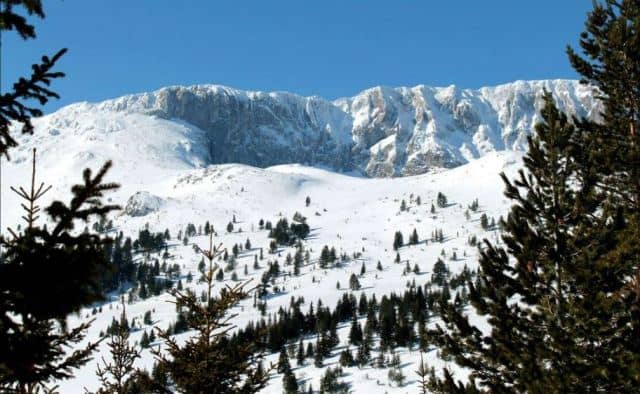
Due to its geographical location, relief development and altitude, this area belongs to the continental type of climate with distinct mountainous features. Due to the high mountains that surround it, the Rožaj area has a somewhat specific, modified mountain climate—a small number of days with reduced wind strength, reduced cloud cover and rare fog.
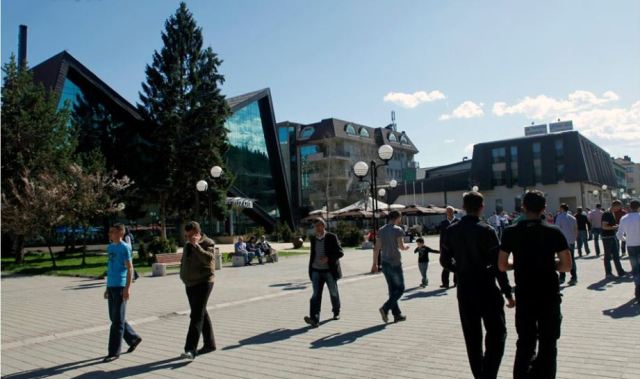
Srednjomjesečne najniže temperature su u januaru (-4,50 C), a najviše u julu (15,50C), a srednja godišnja iznosi 6,30C. Kiša je najobilnija u maju, a potom u oktobru i novembru. Najviše je oblačnosti u novembru, decembru i januaru, a najviše vedrih dana u avgustu (10), u julu i oktobru (9).Srednji datum prvog snijega je 16.novembar a posljednji 1.maja. Planina Hajla se prva zabjeli.
The snow cover remains for a very long time, from December to March in the city and until the end of May in Hajla and Štedim.
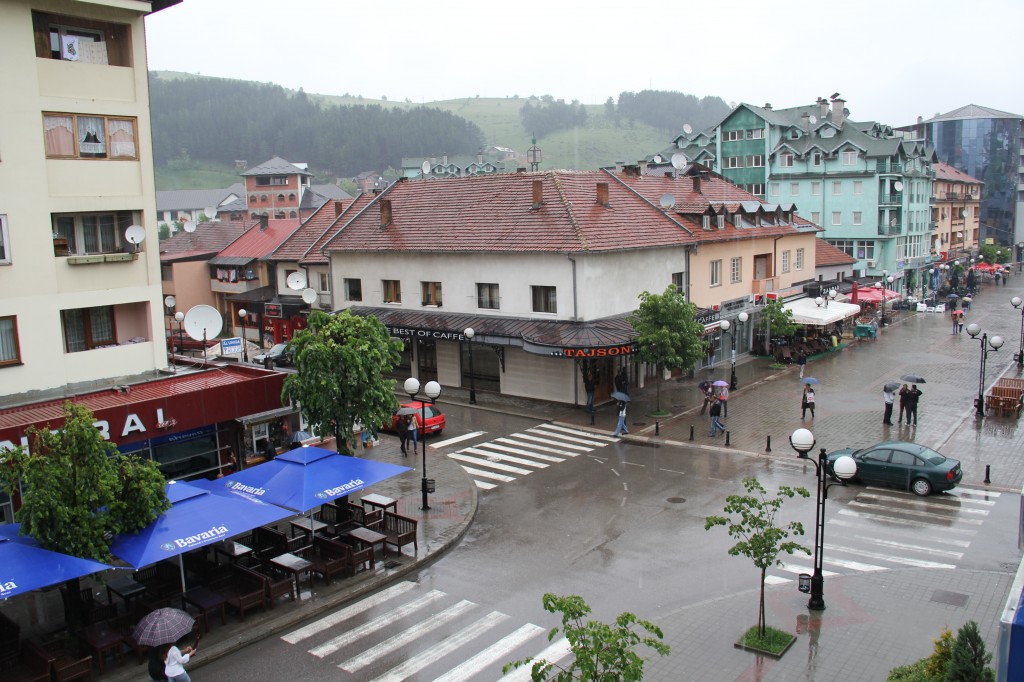
Precipitation
In Rožaje, the average annual rainfall is about 900 mm. The month of May has the highest amount of precipitation—111.3 mm, and the lowest amount in August, 49.4 mm. The average annual relative humidity is 77.3 %. The highest is in the month of January – 87.4 %, and the lowest in August – 70.7 %. The mountains of Hajla and Štedim are closer to the neighboring mountain Rusolija than the settlement of Rožaje in terms of rainfall, and this abounds with large amounts of precipitation, especially in winter - which averages over 2000 mm per year.
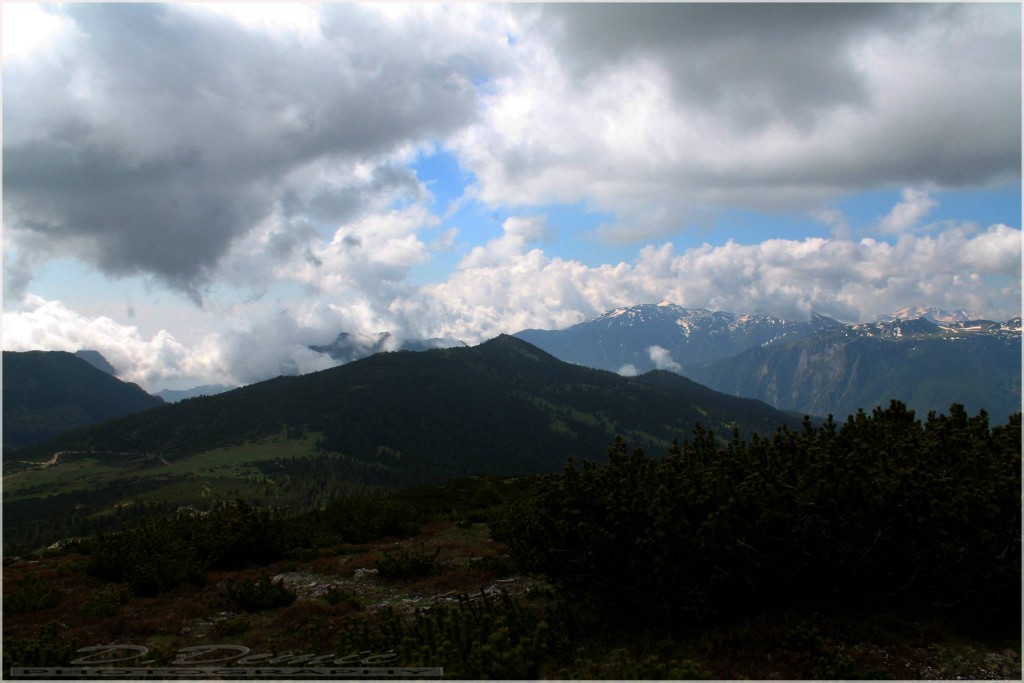
Insolation, cloudiness and winds
Summers are of medium length, except in the high mountains, where they are short and cool. They are dry and sunny with reduced precipitation, with high daytime air temperatures and cool and cool nights. Winters are long and cold, especially in the mountains, with quite a large snow cover, which remains for a long time. On average, the area has a large number of sunny days, low cloud cover and rare fogs. Therefore, the general assessment is that the climatic conditions in this area are extremely favorable for the development of tourism.
There is an anecdote that a Turkish asker (soldier), who served in the army in Rožaje during the Ottoman period, was asked on his return to Istanbul how long summer lasts in those regions where he served, and he replied, "I was in Rožaje for eleven months, and summer is not comes. I don't know if summer came there this twelfth month"